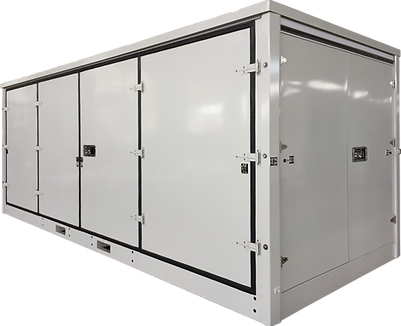
A Comprehensive Guide to Storing Batteries

While choosing a suitable battery for your device is necessary, knowing the proper storage method is also critical to the battery’s lifespan and the device. Learning the right way to store your batteries will reduce the dangers of damaged batteries. However, since different items have different storage guidelines, it is essential to strictly follow instructions on how to store batteries.
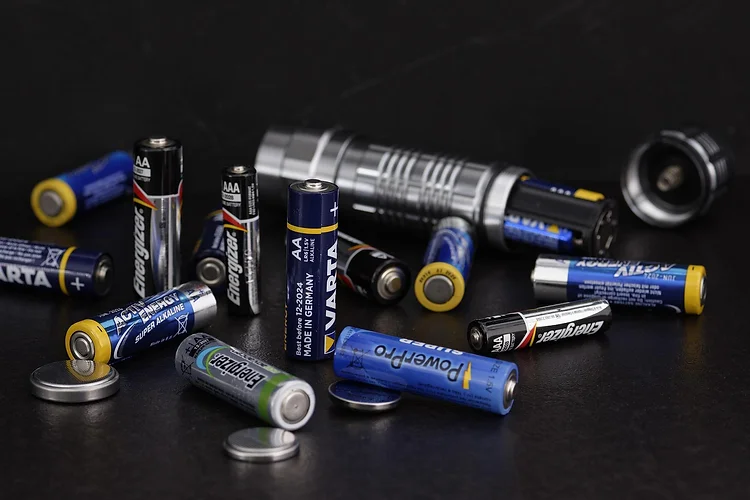
Tips for Storing Batteries

Below are the steps to help you properly store your battery.

Store Batteries at Room Temperature

Make sure to store your battery at room temperature and away from extreme cold or hot temperatures. Regulated room temperatures increase your battery’s lifespan and guard the device’s function ability.

Extreme hot temperatures will lead to corrosion and water loss of the battery, which can result in the bursting of the battery. At high temperatures, a battery’s chemical reactions are the catalyst that can lead to a rise in battery self-discharge.

Extreme cold conditions can also tamper with the overall battery life. Batteries subjected to temperatures of -22 degrees F can reduce their performance capacities by almost 50 percent.

The recommended storage temperature for most batteries is 15°C (59°F). However, on the extreme side, most chemistries recommend –40°C to 50°C (–40°C to 122°F). Otherwise, since weather conditions are sometimes unpredictable, you can secure battery safety using Air Conditioner (AC) to maintain room temperature in your storage unit.

Remove the Batteries From Your Devices

Always empty the device by removing the battery. Leaving the battery inside your device will lead to quick draining and leakage, which is disastrous to your device. Remember, corrosion on battery terminals could permanently damage equipment if left unchecked.

Even for rechargeable batteries, no battery storage method shouldn’t be carried with batteries inside a device. Always put batteries in their original non-metallic container or box before storage.

Keep Them in Their Original Packaging

Keeping one-time-use batteries in their original packaging will prevent any draining of the batteries. Initial packaging containers are designed to avoid contact between the opposing ends with one; otherwise they could react, causing short-circuit.

With the above storage materials, batteries are kept safe from factors such as a rise in humidity and self-discharge. Also, the original package reduces the chances of mistaking freshly charged batteries for older ones. If you don’t have the original packaging, you can opt to use a plastic container or box while ensuring the same terminals of the batteries face the same direction.

Storing batteries in their original packing has the following benefits.

Batteries are protected from environmental factors such as adverse temperatures- the packages regulate the humidity, thus no threat to the storm’s lifespan.

There are no dangers like unintentional activation or short-circuiting caused if the terminals come into contact with a metal object.

While storing batteries in the original package, always place the container in a dry and well-ventilated place, away from the refrigerator or oven. Avoid mixing all your batteries into one storage unit.

Separate Old And New Batteries

Always store used or partly used batteries separately from the new batteries. The essence of this is to reduce confusion and to feed your appliances with suitable batteries of the same brand, age, and capacity.

Separating old and new batteries prevents any chance of short-circuiting while at the same time minimizing any risk of having your new batteries drained by the old batteries. In case you get confused along the way, use a battery tester to help sort through good and bad batteries for easy storage.
Keep Batteries Of The Same Type Together

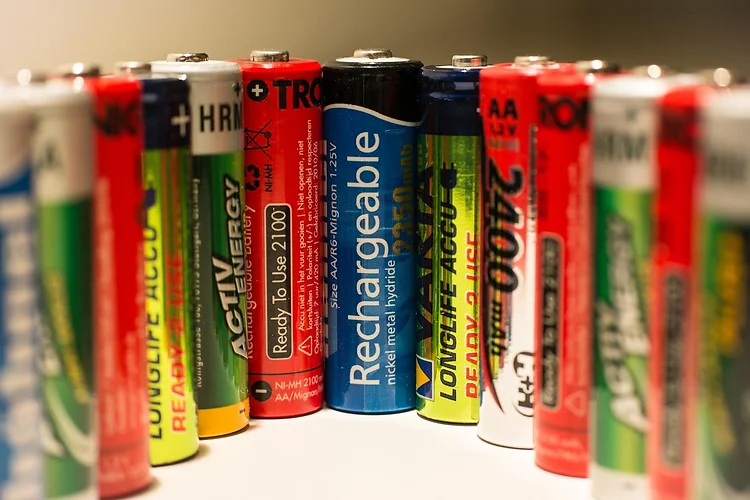
Batteries can be grouped into AA batteries, AAA batteries, D batteries, and 9 volts etc. It is essential to understand the chemistries and voltage variances across the brands. Note that some brands of batteries may have abnormal chemical reactions in regards to weather conditions.

Mixing different types of batteries can lead to battery leakage and sub-optimal device performance. It can also lead to increased corrosion or even destroy battery life. Therefore, it is necessary to understand each storage guideline in situations when you have multiple types on hand. Pair the same brands of batteries together for safe storage.

Store Batteries Out of Reach of Children

Small children can pose a significant challenge when keeping the batteries out of their reach.

Here are some tips to keep children away from the dangers of contacting batteries.

Completely keep coin lithium battery-controlled devices out of sight and reach of children. Some coin lithium battery-controlled devices include remote controls, singing greeting cards, digital scales, watches, hearing aids, children’s toys, calculators, key fobs, t-light candles, flashing holiday jewelry or decorations, all containing button batteries.

Keep loose batteries locked away, or place a piece of duct tape over the controller to prevent small children from accessing the battery.

Try storing batteries in high or raised cabinets.

In the unfortunate event you suspect your child has ingested a battery, immediately reach out for medical assistance from the nearest hospital. Avoid inducing vomiting or have your child eat or drink anything until assessed by a medical professional.

Keep Batteries Away From Metal Objects

Always keep your batteries from coming into contact with metallic objects. Any connection between batteries and metal can stir up chemical reactions, leading to short-circuiting and affecting the battery’s lifespan.

Ideally, never store batteries with metallic objects in the same storage container. Ensure the battery storage container is made of either plastic, glass, box or wood.

To prevent your batteries from electrical conductions, take the below steps:

Do not store batteries in a metal container. Use a sealed plastic container or a specialized battery storage box.

Do not store coins or other metal objects in the same container.

Align batteries so the positive terminals cannot contact the negative terminals of other batteries. Cover the terminals with masking tape or plastic caps if you cannot guarantee this.

Control Humidity

Always keep your batteries in a vapor-proof container in case of high humidity temperature or if there are high chances of condensation occasioned by low temperatures. Condensation in a battery can occur both at the internal and external parts of the battery.

To increase the life of your batteries, control extreme heat through AC; otherwise, store your batteries in a fully climate-controlled facility. Other than condensation, high humidity causes corrosion and leakage in batteries.

Since prolonged dampness and highly humid climatic conditions can significantly impact battery life, you should strive to ensure your batteries are stored in a dry, cool place.

Avoid storing your batteries in areas like the bathroom or beneath the kitchen sink. These areas are susceptible to moisture which can affect the battery life. In addition, do not store your batteries down on the ground.

Even though most batteries prefer drier environments, alkaline batteries can be safely stored in moderate humid conditions (35-65% relative humidity).

While moderate low temperatures increase the lifespan of batteries, in case you would think to store your batteries in a fridge, ensure they are first placed in a vapor-proof container before storing them in the refrigerator. Allow them to acclimatize at room temperature for about 24 hours before use. Do not store your battery in freezers unless recommended by the manufacturer.

Maintain Rechargeable Batteries

Non-rechargeable batteries may be of no use after single use; hence should be discarded from useful or rechargeable ones. Leaving non-rechargeable batteries in a device can cause permanent damage to the device.

Regularly check the charge levels on rechargeable batteries to avoid permanent damages subject to extended exposure to a discharged state. Ensure before you store your battery, the charge is at 40 per cent charge, which creates room for gradual discharge.

Recharge lead-acid and lithium-ion batteries periodically before you store them. The danger of keeping a lead acid battery with a shallow charge is sulfation- a permanent crystal formation on the battery. Sulfation reduces the performance capacity of a storm.

On the other hand, storing a lithium-ion battery with low charge results in the formation of copper structures, impacting the battery’s capacity. For Lead Acid batteries, always ensure they are fully charged before storage. This will ensure there is no sulfation which lowers capacity.

To know the exact recharge instructions per battery, follow the guidelines laid by the manufacturer. Some of the commonly recommended guidelines include:

Lithium Ion – for best results, store at 30-50% on the higher side of the charge. However, if you are not planning to recharge it within a few months, have it fully charged before storage.

Nickel-based (NiMH, NiZn, NiCd)- can be stored at any state of charge.

Generally, over time, most batteries leak power; thus, when stored at zero charges, it is most probable they won’t recharge again.

Recycle Your Old Batteries

Rechargeable batteries will probably be worn out over time and thus can no longer hold back their charge as witnessed when new. Therefore, you may be wondering how to store such outdated batteries.

In most cases, you won’t hesitate to throw them away.

However, you can trade old batteries with your local cell phone or car battery store owner. Sometimes, stores are willing to return the core charge fee once you return the old battery.

For standard-size batteries like AA and AAA batteries, follow the local hazardous materials recycling dates, or you can coordinate with the local home improvement stores to have your batteries recycled.
Conclusion

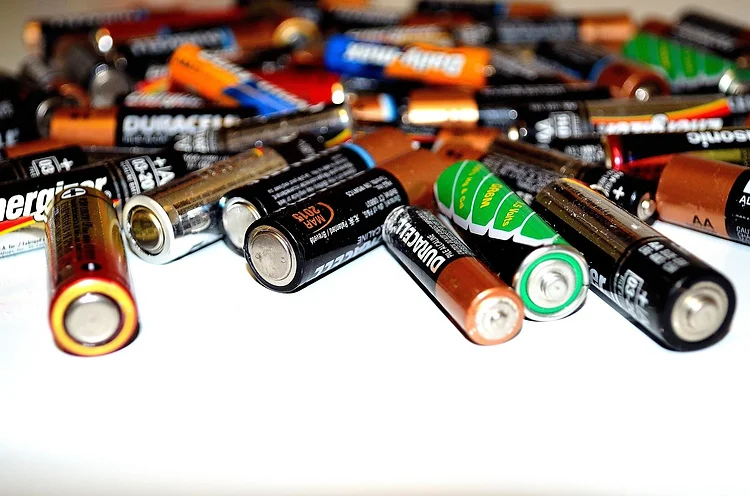
Generally, batteries are manufactured in different sizes and shapes and with distinctive use. Because of these variances, it is essential to understand each type of battery while following the guidelines on its storage. Giving proper storage to a battery not only reduces any possible hazard but also extends the battery’s life. Lastly, due to the poisonous nature of batteries, always keep your batteries away from the children.

Containers for Portable Storage Industry

The storage container market is rapidly growing every year. As a result, portable storage manufacturers are constantly developing new container types, sizes and features to remain competitive and meet the needs of storage companies. Read on to learn more about the different types of portable storage units and their features and benefits.

Types and Features of Portable Storage Containers

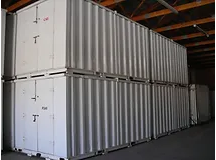
Portable storage containers have various features that make them ideal for multiple industries. Portable Storage Box offers a range of models from galvanized steel storage containers and wooden and steel crate storage solutions to refrigerated storage boxes. Primary features include:

Galvanized steel wall panels and doors

Galvanized corrugated steel roof

Stainless steel exterior hardware, door handles, and hinges

Galvanized base, frame, and roof

Large door opening

Non-skid, toxic-free, marine plywood floor

Fork pockets on the base

Benefits of Using Portable Storage Containers

Portable storage containers are a convenient and cost-effective solution for storage needs. Consider some of the benefits:

Durable and tightly sealed to keep contents safe from the elements.

Stackable fully loaded to maximize space.

Available in different sizes, fully portable from 5×8 to 8×20 sizes and modular sizes in 10 foot widths up to warehouse sizes.

Ready to be rented out in minutes.

Made of components that can be easily replaced.

Why Choose Portable Storage Box?

With 25-plus years of product development and experience, Portable Storage Box is your go-to portable storage container manufacturer for reliable, customizable, portable storage solutions for various industries. Our reputation speaks for itself — all our models are tested in the field. Centrally located in Bradley, IL, we are the only manufacturer that owns a large portable and self-storage business with containers while also supplying manufactured products to throughout the U.S. and internationally.

Call Portable Storage Box today for a free quote on portable storage unit manufacturing for quality and service excellence!


Relocatable Storage Units for Self-Storage Companies

When it comes to storage, convenience and modularity are two very important factors. Relocatable storage units can help to ease your storage problems by allowing you to increase your storage capacity temporarily or permanently. The design and availability of these units make them the perfect choice for any self-storage company that needs to set up or expand its storage capabilities.

Applications of Relocatable Storage Units

If you have an existing storage facility and simply need to increase the number of units you own, relocatable storage units are an excellent option.

Some properties may also have unused corners or just be underutilized as a whole. Relocatable storage units can give such locations increased usefulness. For land that can’t accommodate permanent construction, but on which you would need to install temporary buildings, these units are an excellent choice.

Benefits

Relocatable storage units require virtually no maintenance and, once purchased and placed, are able to generate additional income quickly due to increased storage and usage capabilities. You won’t need to spend much, if any, of your additional income on keeping the unit clean and intact.

Aesthetically, self-storage units can come in a variety of colors and, with improving technology and creativity, manufacturers are creating better fitting units that are appealing to the eye and feature enhanced functionality. This means that you can have the unit customized based on your needs.

They are also easy to install, since you don’t need any foundation or base. As your self-storage company grows and demand increases, you’ll be able to quickly and efficiently expand your storage capacity by purchasing additional relocatable self-storage units and installing them. If you find yourself needing to expand, installation of a new unit can take approximately six to seven weeks to complete a full installation.
There may also come a time where you’d like to change the location of an existing unit. This can be done simply enough with a forklift, allowing you to move a unit to another location quickly and easily.

You’ll also be able to use relocatable self-storage boxes in areas where permanent construction isn’t allowed, which means that you’ll be able to expand your storage offering without needing to worry about gaining permits or costly construction work.

What Should You Know About Relocatable Storage Boxes?

Fabricating relocatable storage units is slowly changing the industry. Their materials, design, portability, and placement create a new dimension in storage. You can have them directly on-site or farther away from your building.

Keep in mind that you will need to refer to the land lease and confirm if any permits are required before taking on these relocatable storage units.

Why Choose Portable Storage Box?

Portable storage boxes bring versatility and improvised storage solutions. They enhance any storage facility by adding capacity and design to your self-storage facility. Don’t get cramped in your small space, call Portable Storage Box for a free quote on self-storage unit manufacturing!

Things You Should Not Put in a Self-Storage Unit

Self storage units are a great way to store your belongings when you don’t have enough space in your home. When packing up your belongings to move into a storage entity, it is important to remember that not everything is allowed. You cannot store certain items in a storage entity due to safety concerns or legal restrictions. These items can pose a risk to your belongings, the facility, and the staff. Here are a few of the most common things not allowed in private storage entities.
Self Storage 2019 Self storage

1. Flammable or Combustible Items

This can include gasoline, containers whose contents are under pressure, propane, chemicals, and cleaners. If these things leak and cause an explosion or fire, you will be held responsible, and the rest of your belongings in the unit will be in danger! These items are not only a fire hazard, but they can also pose a danger to the other items in your unit and the people who work at the storage facility. If you have any questions about whether an item is safe to store, ask a professional before putting it in your storage entity.

2. Toxic Materials

One thing that you should not put in a storage entity is anything toxic. This includes things like fertilizer and cleaning chemicals. These types of materials can be corrosive and cause damage to organic materials. Additionally, it would be best not to store anything with air-bound acids with organic materials as they can break them down over time. By following these guidelines, you can help ensure that your storage entity is safe and free from harmful materials.

3. Weapons and Ammunition

While some people may feel safer storing weapons and ammunition in a storage entity, it is not advised. These items are typically not allowed in storage entities, but there is also the risk of being stolen and used in crime. If you must store weapons or ammunition, keep them in a locked box or cabinet out of sight. It would be best if you also informed the storage facility manager that you are storing weapons or ammunition. By taking these precautions, you can give yourself and your weapons insurance.

4. Food

There are a few things you should never put in a storage entity. One of the most important is food. Avoid any perishable items that can go bad. This includes things like dairy products, meat, and produce.These items can quickly rot or grow mold, spreading to the rest of your belongings. Additionally, try to avoid storing anything that might attract pests. This means keeping candy, grains, and pet food in sealed containers.

Be sure to keep your storage entity clean and free of crumbs or spills. Otherwise, you might end up with some unwanted guests!

5. High-Value Items

You should never store certain valuable items in a storage entity, no matter how secure the facility. Although most storage facilities provide high security, it is still best to keep your most valuable possessions with you where you live. That way, you always have an eye on them.
This can include family heirlooms, jewelry, and important documents. Similarly, any items that are irreplaceable or difficult to replace, such as photographs or one-of-a-kind collectibles, should also be kept at home. Such things are best kept in a fire-proof safe or deposit box.

While storing high-value items in a storage entity may be tempting to save space, it is not worth the risk.

6. Plants

Many people underestimate the importance of live plants in their homes. They add a splash of color and life to any room, and play a crucial role in purifying the air. However, live plants are best left at home when it comes to storage.

Without proper care, they will quickly wither and die. In addition, live plants can act as a breeding ground for insects, which could then infest your stored belongings. If you must store live plants, keep them in a well-ventilated area and check on them regularly to ensure they are getting enough light and water. You can avoid turning your storage entity into a plant graveyard with a little effort.

7. Anything Wet

Most people are aware that they shouldn’t store perishable food items or open containers of liquids in a storage entity, but other items can cause problems if they get wet. Even if it’s only slightly damp, any wet object can create the perfect environment for mold and mildew to grow. This can spread to surrounding belongings and cause them to deteriorate. If you have an item that gets wet, dry it completely before bringing it into the unit. You can help keep your belongings safe by taking these precautions.

8. Furs

Furs are luxurious and elegant fabrics used in high-end fashion garments. Fur clothing requires very specific climate conditions to be properly preserved, including strict requirements around temperature and light. Unfortunately, they can be difficult to care for and require special storage conditions to stay in good condition.

Furs should be kept in a cool, dark place where they will not be exposed to direct sunlight or heat. To prevent them from becoming musty, they should also be stored in a breathable container, such as a cotton bag. When stored properly, furs can last for many years. However, if they are not cared for properly, they will quickly deteriorate and become unusable.
As a result, it is important to take the time to research the best way to store your fur garments before placing them in personal storage.
9. Non-Operating, Unregistered, and Uninsured Vehicles
When it comes to personal storage, certain items don’t belong. Non-operating, unregistered, and uninsured vehicles are just a few things you should avoid storing in your unit. These items take up valuable space, but they can also pose a serious safety hazard.

Non-operating vehicles can leak fluids and attract vermin, and your storage insurance policy may not cover unregistered and uninsured vehicles. In addition, all three types of vehicles may be towed or impounded by the authorities if they’re found on personal storage property. So if you’re looking to declutter your home or garage, be sure to leave these items out of your storage entity.

10. Stolen Goods
It should go without sayings that do not store stolen goods in your storage entity. It is illegal and can also get you evicted from your storage entity. If the police find stolen goods or illegal drugs in your unit, they will assume that you are the one who stole them, and you will be arrested.
Even if you didn’t steal the items yourself, you would still be charged with receiving stolen property. It’s  best to avoid storing any items that could get you into trouble with the law.

11. Animals and People

Animals and people are not allowed in storage entities for various reasons. First and foremost, it is against the law to confine an animal to a storage entity. In addition, animals can cause damage to your belongings and make noise that will disturb other tenants.

People are not allowed in storage entities for several reasons:

• Storage entities are not meant to be inhabited by people.
• People can damage belongings and disturb other tenants.
• People may try to break into storage entities to steal items.

If you are caught with either one in your unit, you could be evicted and fined.

12. Money

Most people would never dream of storing cash in a storage entity, but you’d be surprised how often it happens. After all, storage entities are typically located in secure facilities with limited access, making them seem like the perfect place to stash extra cash. However, there are several reasons why this is a bad idea.

Often, the storage entity is not insured against theft, so if your money is stolen, you will have no recourse. Additionally, a storage entity can be subject to search by law enforcement, so you could face serious consequences if you’re storing cash illegally. Finally, even if your money is safe and sound, there’s always the risk that you could lose the key to your unit, leaving your cash inaccessible. For these reasons, it’s best to avoid storing cash in a storage facility altogether.

13. Dead Items

While a storage entity can be a great place to keep your belongings safe and out of the way, some things don’t belong in storage. Dead items, for example, can attract pests, cause odors, and create unsanitary conditions. If you have any dead animals or plants, it’s best to dispose of them properly rather than putting them in storage.

The same goes for any expired food. These items will start to rot and attract pests, but they can also cause serious health hazards. In short, when it comes to storage, it’s best to stick to non-perishable items that won’t attract pests or cause sanitation issues.

14. Gaseous Chemicals

Gaseous chemicals can be incredibly dangerous to store in a storage entity. They are flammable, but they can also leak and cause serious health problems. This is why it’s important to take extra care when handling and storing gaseous chemicals.

Make sure that containers are tightly sealed and labeled clearly. In addition, it’s important to keep these containers away from heat sources, as they could explode if they get too hot. If you’re not sure how to properly store gaseous chemicals, it’s best to consult with a professional.

15. Illegal Drugs

Illegal drugs are not allowed in private storage units. This is against the law, and can lead to serious consequences if you’re caught. In addition to eviction and fines, you could also be arrested and charged with drug possession. So, it’s best to avoid storing any items that could be considered illegal drugs.
Conclusion

So, what should you not put in a self-storage unit? The list is long and varied, but if you keep these things in mind when packing, your storage experience will go smoothly. Remember that the best way to avoid any issues is to declutter before moving anything into storage. If there are items you can’t seem to part with, try renting a small unit instead of cramming everything into a large one. And finally, always read the terms and conditions of your storage agreement to know what is and isn’t allowed. With this information in hand, you’re ready to store your belongings safely and securely.

16′ Shipping Containers

16′ Shipping Containers

How Much Can Fit in a 16-Foot Pod?

A 16-foot container is 20’ long, 8’ wide, and 8.5’ tall. Based on these measurements, it has approximately 26 cubic meters of space, which is about the same as two full-sized pick-up trucks!

What Are the Dimensions of a 16-Foot Shipping container?

The interior of a standard container is relatively spacious. The walls range from just over 4’10” to 5’8” tall, and the floor measures 6’ 10” from end to end. The outside dimensions are 20 ft x 8.6 ft x 8.6 ft or 5364mm long x 26 56mm wide x 2656mm high.

What Is the Weight Capacity of a 16-Foot Shipping Container?

A standard 16-foot shipping container is rated to carry up to 26,000 lbs of cargo. So, even if the container is only half full, it has a hefty capacity and enough room for large items.

Are Shipping Containers Waterproof?

Yes, a standard shipping container is waterproof and sealed to protect your valuables from the elements. Whether in transport, storage, or dry dock, items secured in a properly maintained shipping container will be safe from water damage.

Uses for Shipping Containers

People can make a variety of portable storage units from shipping containers. They can also double as a small shelter on a job site or as a backyard shed for your gardening tools and lawnmower.

These days, some people are modifying shipping containers as full-time residences both in the US and abroad. They’re a popular way to create tiny affordable homes out of something most people would normally throw away.

How Much Does a 16-Foot Shipping Container Cost?

Shipping containers get rated by grades. Grade A containers are brand new, in the original manufacturer’s packaging. Grade B containers are used and may have minor cosmetic damage such as scrapes or faded paint. Grade C containers are “like new” – a few years old but only minimally damaged from transport, still with plenty of life left in them.

The cost of a used or new 16-foot standard shipping container ranges anywhere from $2,000 to $24,000. The final price often depends on the condition and whether you’re looking for new or used storage containers.

At Portable Storage Box, we aim to be your partner in shipping container manufacturing. After over two decades of providing quality storage container solutions to clients worldwide, we guarantee that you can trust our products to last for years to come. Call today to ask about our 16-foot container options!

10′ Shipping Containers

A 10-foot container is an ideal option a smaller volume of goods. However, some freight companies prefer stocking only 20-foot and 40-foot shipping containers because they’re safer and easier to stack.

While 10-foot containers might not be needed when transporting goods by sea, they’re a great option for transporting small loads over land. Not only are they easier to transport, but they also cost less to ship and leave a smaller carbon footprint.

10-foot shipping containers can easily fit into most driveways and even single parking spaces, which adds to their convenience when transporting them over land.

A 10-foot shipping container has around 72 square feet of flooring—about half the size of a single-car garage. However, if you opt for a high cube container, you also get an extra foot of height.

A 10-foot shipping container can be used to conveniently transport the belongings of a small one-bedroom flat, making them the preferred shipping option for single people and students.

Why Is the 10 x 10 Right for My Business?

The 10 x 10 storage unit size is popular as it can accommodate large items such as mattresses. It can hold roughly the contents of a two-bedroom apartment. There are several reasons why this would work for businesses, too.

The Ideal Size for Most Self-Storage Units

A 10 x 10 size storage unit is roughly the size of a small room, and for businesses that have to store seasonal items, pieces of furniture, or tools during the year, a storage unit comes in handy.

Several Benefits for Businesses

Some of the benefits of using storage facilities include:

Business owners don’t have to store their business contents at home, keeping their garages and closets free for personal belongings.

You can pack the unit according to your needs, even vertically, to use up every square foot of the unit. You can also add shelving units for ease of access. It’s worth knowing these units have roughly 72 square feet of floor space.

Businesses can store a wide range of items in these units, including clothing and equipment.

Upgrading to larger units is fairly simple. For instance, the 10 x 15 or 10 x 20 can accommodate roughly the same amount of furniture as a three-bedroom house. We use a storage unit size guide to help with the decision-making process.

You can have more than one unit if the business requires it and categorize storage according to the items inside.

What Are the Interior/Exterior Dimensions of a 10-Foot Shipping Container?

Interior Dimensions

The internal dimensions of a 10-foot shipping container are 9’4” long, 7’10” high, and 7’8.5” inches wide. On the other hand, the internal dimensions of a 10-foot high cube are 9’6” long, 8’10” tall, and 7’8” wide.

Exterior Dimensions

The exterior dimensions of a 10-foot shipping container are 10’ long, 8.5’ high, and 8’ wide. The exterior dimensions of a 10-foot high cube are 10’ long, 9.5’ tall, and 8’ wide.

What Is the Weight Capacity of a 10-Foot Shipping Container?

The tare weight capacity of a 10-foot shipping container is 2,850 pounds (1300 kg), while the maximum cargo weight is about 19,530 pounds (8858.7 kg).

Are Shipping Containers Waterproof?

Yes, our shipping containers are waterproof. They are made from hard-wearing steel capable of protecting the contents inside from any drastic temperature variations. However, it’s important to note that steel on its own is not entirely waterproof and can easily corrode.

However, responsible shipping companies employ different methods such as anti-corrosion coating and routine maintenance to prevent that from happening.

Call Portable Storage Box today for more information on our 10-foot shipping container options. We’ve been in the self-storage industry for over 20 years, manufacturing storage containers for businesses all over the world

The Future Storage Industry

The self-storage industry has proven to be a stable and profitable business even among national economic hardships. The changing atmosphere of big cities and cultural differences has started migrations across the country. People moving to and from cities combined with aging generations downsizing their households and lifestyles guarantees stable growth for self-store facilities.

In the short term, popular predictions state that the availability of storage will outpace the demand. This is mainly due to the building of new self-store facilities and the expansion of old ones during pandemic shutdowns. The stressed nature of the economy forced every industry to rethink how they operate. The storage world didn’t feel as much of the hurt but still has to make necessary changes to adapt and grow.

Now is still the perfect time for the storage industry to rally around innovative new experiences that operate more efficiently through the use of technology. Even with a surplus of availability, storage needs are sure to change drastically in both cities and rural locations. An efficient, secure, and clean automated facility will continue to be profitable. No matter the rumors of outpaced demand, the market says there will be significant trending growth.

By looking at the economic and political climates alongside the last few year’s trends, we can confidently make a few predictions of what the future of the self-store industry will look like.

storage facility

An Automated Experience

Online shopping and reservation culture has changed how business is done everywhere. Self-storage is no different. The average consumer prefers an experience with as little interaction with strangers as possible. This is a win-win situation. By taking advantage of renter’s preferences and new technology, self-store facilities can offer a ‘premium’ experience with a lower monthly cost. As the cost of switching to technological solutions lowers, the number of businesses adopting them will grow exponentially.

Most facilities will still need consistently on-site personnel. Some will be able to be maintained entirely remotely. Either way, the cost of operations can be significantly reduced by replacing wages with utility bills and renters will enjoy a more “private” experience. In most cases, the facilities may appear to be empty or unmanned.

Accomplishing a modern techno-centric facility isn’t only a prop feature, it allows for a more personalized leasing process and more secure access that can be managed through remote online access and self-service kiosks.

Reserve Online

It used to be that the number one source of renters for self-store businesses walked through the front door. People still do, but pandemic responses have required the minimization of human contact. During the pandemic, the use of online reservations for units and containers soared. This has solidified the use of online reservations as it simplifies what’s required from the renter and requires no contact.

Having access to availability, costs, and acquiring storage units all from a clean, easy to navigate website opens a facility’s potential renter pool from local prospects to national. Since 2017, the internet has directed more renter traffic than walk-ins. Pandemic-driven behavior has increased web usage three-fold. Online presence is a requirement to stay competitive.

For renters, online reservation provides a sense of security when moving their belongings and traveling to new destinations. Renters moving to a new area often lack the confidence to search around for self-store facilities after they arrive at a location. The ease of search and securing a unit to store their belongings by online means provides a secure feeling.

couple sitting on the ground

Self-Serving Kiosks

The biggest “problem” with automating a facility is finding a way to handle human-specific tasks. New tenant signing, issuing keys, taking cash payments, handling of facility-available equipment like dollies and moving carts, and product sales are traditionally handled by an employee or two. Technology has provided a way to take care of the larger portion of these tasks.

Self-serve kiosks can provide access to walk-ins and tenants to manage their accounts and services. Almost every administrative function that needs to be performed can now be done with the same system used to create online functionality. Future self-store businesses can operate entirely without meeting a majority of their tenants in person.

Some start-ups will want to be able to mobilize quickly. This means that they will seek already built systems rather than trying to construct their own. Luckily for them, kiosk manufacturers are already filling this need. As kiosk services gain in popularity, companies like OpenTech Alliance will make it easier for old facilities to switch to new technology with the kiosk hardware, software, and additional personnel services for customer support.

Higher Security

Having a limited amount of personnel working on-site means security has to be improved. Tenants are only storing things that they wish to keep secure. To offset the loss of on-site patrols, future self-store businesses will utilize a matrix of cameras and security devices to keep an eye on the units and record any activity.

This has already become a widely accepted option for gated locations and businesses in high-risk areas. Preventing theft is among the highest concerns a self-store facility holds. It’s only natural that the use of better and more cameras occurs over time.

With more cameras in use, remote access can be offered for the inside of rented units as well. Climate-controlled units will need to be regularly checked to make sure there is no damage to the stored objects due to temperature variance.

Financial Requirements

Not everything about using the internet and online services to run a business is beneficial. There are a few side effects that have emerged. The most concerning for a self-store facility is the identity of the clientele. While businesses don’t want to know the tenants on an invasive level, they need to avoid the pitfalls of being stuck with a unit full of unwanted objects or even worse materials that cause damage to the unit they are in or around.

Unfortunately, there is not an accurate way to assess these behaviors and identify problems before they occur. Instead, businesses are opting to raise the financial requirements and costs to weed out bad-faith renters and cover the cost of previous lessons learned. This could mean security deposits, higher monthly rates, gate fees, and in some cases application fees.

Most of these will not accelerate to an untenable level. Excessive fees and costs can turn away potential renters. However, security deposits and higher monthly rates are an already occurring trend. The money lost on damaged units and clean-up costs as well as uncollected rent will motivate higher pricing to help repair damages and recover losses.

It is also a bad managerial move to prevent access to services due to higher financial requirements during a period when economic instability has caused many to downsize their homes.

Credit Checks?

As a trend, credit checks in most industries have dwindled. Real estate and rentals have doubled down on them. Self-store facilities have already floated the idea of implementing credit checks as well. Former practices that allowed them to rent to anyone who walked in with enough money for the month have led to abandoned property and unpaid dues. Using consumer credit checks could help to assess whether a potential tenant will be able to keep up with the rent.

Many predict that credit checks will become a standard for self-store businesses in the coming years. I predict that many will implement credit checks for a short time as a trend but newer more secure facilities will not. The less restrictive options will gain the most tenants and cause the market to find other ways to adapt.

If economic downturns continue, credit checks would slowly filter out all but a few tenants. This mistake has been made by the hotel industry in the form of security deposit requirements on top of rental costs. Ultimately, it causes a higher refusal rate than is manageable. The damage done by refusing business is far worse than the cost of repairs or unpaid rent.

Sleeker and More Efficient Designs

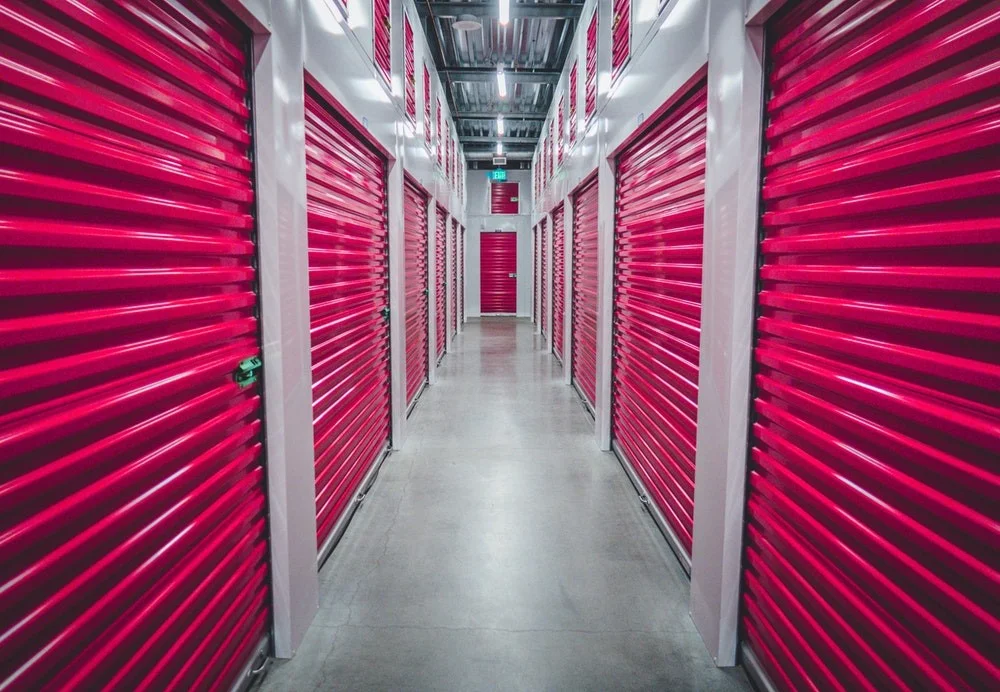
Self-store facilities are evolving. Traditionally, they were side-by-side units built almost like a long secure shed or garage. Most of them were built as outside access facilities with driving space between the sides. There are more warehouse-styled ones as well that are indoor and have wide hallways to haul personal property to storage through.

These traditional styles are either born with a specific purpose in mind or are buildings converted to purpose. U-Haul has led the way in redesigning indoor self-store facilities. New facilities are two to three stories with open window views and climate-controlled units. These buildings are far more inviting, friendly, and modern.

The outside isn’t as important as what’s inside.

Self-Sustaining Facility

Cutting costs is a tried and true way to increase profit. Self-store businesses already operate at a comparatively low cost, but solar panels and power batteries may be able to take a chunk out of the electric bill. Depending on the space available, the rooftops of self-store facilities will be commonly kitted with solar panels and efficient wind turbines. The energy needs for these businesses are simple and the most taxing on the electric bill is the climate control systems. With enough solar power and batteries, self-store facilities will be able to power themselves with very little draw on the electric grid if any.

It may not be long before cleaning robots find their way into self-store facilities as well. With a decent amount of automated cleaning equipment already available, the future is sure to see robots utilized to maintain a proper appearance. Thus solving another “human-specific” task.

Combining automated equipment, self-service kiosks, keypad locks, and vending machines cover all the primary tasks needed in a modern self-store facility. This is only what’s possible now. The future may hold yet more useful and unique automation applications that may again change the competitive playing field.

blog

Climate Controlled Storage

Tenants store a variety of objects: Furniture, clothes, toys, mattresses, dressers, miscellaneously filled boxes, etc. Sometimes their possessions need to be kept in specific conditions to prevent damage. Most notably, musical instruments and fine wood products have to be maintained at a specific temperature and humidity to prevent board warping. Violins, guitars, cellos, etc. can be rendered unplayable if left in the wrong environment for long enough.

Having the option for climate-controlled units will become standard in just about every self-store business. These units allow the business to offer its services to a wider audience than just people who have moved into a smaller space. Professional musicians, artists, mobile cleaners, and other innovative small businesses and individuals need space to store equipment. Climate-controlled units provide the conditions these renters need to safely store their tools of the trade.

Drive-Thru Storage

Outdoor self-store facilities are also referred to as drive-thru or drive-up units. They aren’t new phenomena, but the pandemic shutdowns and mandates increased their popularity. Outdoor unit access allowed renters to maintain a six-foot distance when transferring property from their vehicle to storage. It also allowed them to avoid other renters when compared to indoor units.

The increased use of outdoor self-storage will eventually cause them to upgrade the quality of their units and may even inspire climate-controlled units with drive-thru access.

20 Foot Shipping & Storage Containers

What Can You Fit in a 20-ft. Container?

20-ft. shipping containers are flexible and can be used for various purposes, including industrial storage and jobsite storage, or they can be repurposed for home, office, or commercial purposes.

When renting or purchasing a shipping container, it is excellent for inventory storage and onsite construction. Other notable benefits of choosing a new or used shipping container include increased security and safety for keeping items in remote locations.

Suppose you’re searching for a unique solution to a common problem, such as housing or creating an offsite location for your workshop, studio, or suite for extended family members. In that case, shipping containers offer a flexible, affordable, and functional solution. Not only are you giving the storage container a second chance to serve, but you’re also reducing waste by repurposing something already manufactured.

What’s the Difference Between a New and Used Storage Container?

New shipping containers are always more expensive than used ones, but they come with a warranty and are built to meet current safety codes.

They also offer more outstanding durability over time, which will save you on future maintenance costs. New storage containers can be customized in many ways, such as choosing the color for your doors, whereas older models might not have personalization options.

New shipping containers can cost anywhere from $2,500 and up. Water and wind-tight containers start at around $1,500, and cargo-worthy containers begin at approximately $1,900 each. Please note, these pricing models don’t include expenses for shipping or for making customizations for repurposing.

How Many Square Feet Are There in a 20-ft. Shipping Container?

There are 450 square feet in a 20-ft. shipping container. This number is equal to 0.14 acres of surface area or about the size of a football field.

What Is the Weight Capacity for a 20-ft. Shipping Container?

The maximum payload for these containers ranges from 18,000 to over 30,000 pounds.

What Are the Interior/Exterior Dimensions of a 20-ft. Shipping Container?

The interior dimensions are 228 inches long by 88.25 inches wide, and the exterior dimensions are 229.25 inches by 89 inches by 78 inches.

What Is the Volume of a 20-ft. Shipping Container?

There are about 16 cubic yards inside one 20-ft. shipping container.

What Is the Width of a 20-ft. Shipping Container?

The width of a standard 20-foot shipping container is around 8 to 9 feet. With this much interior space, there is plenty of room to safely store away oversized items that require more space to be accommodated.

Are Shipping Containers Waterproof?

Our containers are watertight and can effectively protect their contents from the elements, including rain, snow, wind, and the sun.

Portable Storage Containers Price: How Much Do They Cost?

Portable Storage Containers Price: How Much Do They Cost?

Storage containers, shipping containers, freight containers, portable storage boxes—whatever you want to call them, they are a versatile asset for residential and commercial uses alike. If you’re in the market for quality storage containers to protect your equipment, documents, furniture, or inventory, read on to find out how much it will cost and the factors that can affect the final price.

How Much Does a Portable Storage Container Cost?

The simple answer is that there is no set price for a portable storage container. This is because many factors determine how much a shipping container costs.

We can only give you the average cost of these boxes. Even then, we recommend window shopping for different containers and comparing processes before settling for a specific one.

Factors Determining the Cost of a Storage Container

1. Size of the container

A big container will cost more than a small container. We recommend getting a storage container that is the right size for your needs to stay within budget. Avoid wasting money on a big container when you have very few items to store.

On the other hand, though a small container may be cheaper, it may not be a perfect fit for you if you intend to store many items. Regardless of the cost, we advise buyers to get a container size suitable for their intended use.

2. Renting Vs. Buying

We are often asked the cheaper option between renting and buying. To respond, we first look at the budget at hand then advise accordingly. A customer is likely to incur more costs when renting. This is because we also include transportation fees from the rental company to the delivery point on top of the rental charges.

We also charge for any modification done on the container, although such charges are billed monthly and added to the rent.

Buying, on the other hand, has an initial high cost. Prices will vary depending on the type of container in question. The price is also bound to go up if any customization is done on the container.

The question of whether to buy or rent in terms of cost-effectiveness is relative. We advise that, before settling, consider just how long you need the storage container. You do not need to buy a storage container if you need it for a short period.

3. Used Vs. New

Whether to buy a new or used storage container is a matter of personal preference and, of course, budget restrictions. Each type of container has its pros and cons. A brand new storage unit will cost more than a used one.

A new storage unit will be in pristine condition with no dents and scratched. You also have the option of customizing your container as you please. It is easier and safer to modify a new container since they are free from any contamination. If your budget allows, we recommend getting a new container.

A used container is not so bad either. For starters, they are cheaper. Depending on the purpose for which you intend to use them, used containers are perfect. You can modify them into decent structures such as ablution blocks or market stalls.

4. Add on features available

A plain storage container costs less than one which has been modified. We charge more to customize a storage container. There are a variety of add-ons available and each costs differently.

To save, we usually advise customers to purchase used containers with after-market add-ons.

Some common types of storage add-ons include ramps, shelving and lockboxes. The ramps ensure faster loading and off-loading of goods while shelving and lockboxes optimize the container’s storage space.

For a more sophisticated look, we can add a shaded area close to your storage unit. A shaded area is suitable if you intend to use your container as a vending area.

All add-on features come at an extra cost.

5. Location and delivery

Portable containers are big, heavy and quite challenging to transport. The cost of transporting these containers will vary depending on how far you want them transported.

Additionally, transporting a shipping container needs special equipment and vehicles. Not only do you need special equipment, but also trained personnel to transport your container.

Before transporting, you have to think about insurance coverage and clearance from local authorities. Remember that delivery companies charge according to how far you want your container transported. Usually, there is a standard fixed cost before delivery is initiated.

The cost of delivery is also dependent on the size of the container.

6. Seasonal changes

This may come as a surprise but seasons affect the cost of buying a container. Containers tend to cost more when there is high demand for them. The price will also drop significantly when the demand for them is low.

What Do You Look for When Buying a Storage Container?

Buying a storage container is a breeze once you understand the cost determinants. Apart from cost, there are also other factors you need to pay attention to.

1. Material

The material used to make a storage container should be non-corrosive. This material should also be strong and durable. We recommend getting steel storage container boxes.

2. Locking arrangements

The safety of your goods is paramount. Therefore, a good container should have a good locking system. It will help if the locking system is automated. For added security, choose a container that comes with an alarm fitted on the door.

3. Dents and scratches

Take a closer look at the exterior of the storage container. Look out for Dents and scratches. Although they are normal on used containers, dents and scratches are an eyesore and should be avoided. To avoid incurring repair costs, we advise that you buy new storage containers.

4. Interior finishing

Pay close attention to the interior. Check the doors, seals and any other fixtures for damage. Do not forget to check for mold and rust, especially on used containers. The interior of the unit needs to be watertight with no holes in the walls or floors.

5. Guarantees and warranty

When you buy a new storage container, ensure it comes with a warranty. A lot of companies also offer warranties and guarantees in cases of damage.

How to Modernize Your Self-Storage Business

How to Modernize Your Self-Storage Business

Self Storage 2019 Self storage

The self-storage industry has been around for decades and won’t be declining anytime soon. In fact, the industry’s revenue has grown nearly 50% since 2010. It is vital for owners of self-storage businesses to keep up with the latest trends and technology in order to stay on top of the competition. If you feel that your business is out-dated, you should consider modernizing everything from the processes and technology you use to the first impression customers get when they see your store front.

Step 1 – Stating your goal

Before you do anything else, figure out what kind of company you want to own. Are you looking for a small, local affair that gives you enough income for a comfortable life? You want to work, but you don’t want anything to take over your life, so to speak. Or, are you looking for something that you can grow significantly? You won’t stop until you are the storage king.

Everything else you do will depend on this decision. Once you know what you want, you need to know if it will work.

How Do You Know You Should Update Your Business?

There are several signs that point to an out-dated business. A few of these are:

Your curb appeal is lacking.

Customers are complaining about difficulties in using your service.

Your paint is chipping or signs are faded.

To figure out if your business is ready for an upgrade, first take a look at your store front from the street. Does it stand out among the surrounding buildings? Can you clearly see the business name? Are there any obvious signs of aging, such as dead foliage or drab and faded paint? If any of these apply, you should plan to update your business from the outside in.

Another telltale sign of a much-needed upgrade is an increase in customer complaints. If they are having trouble with your services or reporting issues with the infrastructure, you need to consider updating your technology and equipment as soon as possible.

Ways to Modernize to Your Self-Storage Facility

Once you have determined that it’s time for an upgrade, it is essential to plan out exactly what needs to be done. Take a look at the competition, and see what is trending in the community around you. There are many approaches you can take to update your business, including:

Curb Appeal

As mentioned earlier, before a potential client walks into your facility, the first thing they will likely notice is your curb appeal. When updating your facility, ensure that you personally assess it’s condition and note what repairs need to be carried out. You do not have to do significant renovations all at once. Start small and make a few changes that are visibly noticeable to potential customers and ones that make your facility look appealing. For instance, some of the quickest ways you can increase your curb appeal are:

Applying a fresh coat of paint. It can significantly transform your self-storage facility, and it also shows clients that you care about the facility and their possessions. You could also have your parking lot freshly paved. It may seem like a small thing to do, but it is one of the first things that a potential client notices about your facility.

Landscaping. A little landscaping can go a long way. Unkempt landscaping can drive potential clients away, so get rid of overgrown trees and large areas of dying or dead shrubs, groundcovers, and grass. Install new designs that are attractive instead.

Signage updates are also essential. Make your brand stand out with a new and improved sign.

Cleaning up and fixing rusty or banged up garage doors. Not only do they look subpar, but they also can make it harder for customers to operate.

Update old lighting to more aesthetic options. There are various modern light fixtures you can choose from that will add to your facility’s curb appeal as well as providing ample lighting during nighttime.

storage facility

Security

You need to invest in security upgrades for safety purposes and to give your customers the satisfaction that their items are safe in your storage facility. This feature will add significant value to your self-storage and will also add to its appeal. Listed below are some of the security options you can add to your self-storage facility.

Invest in new cameras, security gates, keypads, and garage locks. Customers feel safer if they can see that measures are consistently being taken to prevent theft. Knowing their items are secure and that they do not need to worry about them will increase their chance of choosing your facility. It also prevents you from being liable for the loss of your clients’ property.

Upgrade your alarm systems, especially if they are currently wired. Wireless systems cannot be cut.

Consider installing cameras in each unit and allow customers to view their unit at any time via the internet. This can be made possible by live video streaming cameras. This way a customer can monitor their possessions from anywhere.

Technology

Technology has steadily grown and improved over the last couple of years and can be incorporated into almost every business. When making changes and renovations to your facility, it’s important to consider what technological features you can add to your facility to modernize it.

Always have your clients in mind and consider if it is something they need and whether the change you plan to make will improve their customer experience.

Updating your technology can make it easier for your customers to use your facilities. For instance, new lock systems that don’t require a physical key can help customers with arthritis or other situations that make holding or turning small objects difficult.

If you notice your customers store a lot of temperature-sensitive items, you can update more of your units to be climate-controlled.

There is an app for almost anything, so consider developing an app for your business! People could use it to check rates, see when payment is due, or even use it for mobile entry to their unit.

Online Presence

Technological advancements in the past couple of decades have brought about several big changes. One of them is the internet, which has become vital in the success of businesses. You can look up most businesses online and find all the information you need to learn about them on their website or social media platforms. A big part of modernizing your business is to improve your online presence.

Consider who your target audience is and how you intend to reach them. While just having an online presence can significantly impact your business, it needs to make sense to your target customers. Listed below are a few tips you can employ to reach your target audience online.

Update your website and social media. If your website looks outdated, customers may be more inclined to take their storage needs elsewhere. Give your website a facelift, add a blog to keep customers up to date, and make sure you have a strong social media presence. Facebook and Instagram are great places to start, but consider joining Twitter or Youtube as well.

Ensure that your website is easy to use on all devices and your response to customers across all social media platforms is fast and effective.

Try to get reviews from past or current customers, since many people look up reviews when deciding between companies. A good way to entice customers to leave reviews is to offer rewards or promotions for their opinions.

Hire the Right Staff

While modernizing your business, it is important to take a look at your employees. Your customers and potential customers interact with your staff when they visit the storage facility, so you need to ensure that they are experienced and have excellent customer service skills. They should also be well trained and well informed to answer any customer’s questions about the facility and its services.

Your staff’s efficiency and how they serve and relate to customers can significantly affect whether or not you will gain and retain customers or not. Getting people who are good at sales will also be an added advantage. Consider offering training sessions or classes to improve the skillsets of your employees.

Trends in the Self-Storage Industry

Most people still think that self-storage facilities operate traditionally, but various technological adaptations have been incorporated into this industry. To have a successful self-storage business requires leasing, maintenance, accounting, management, and marketing. Embracing technology can significantly help you save both time and money. Listed below are a couple of technological trends to be on the lookout for if you intend to modernize your self-storage facility.

Biometrics Security System

Security is a vital feature when it comes to the self-storage industry. Customers would like the assurance that their items are safe. It is practically impossible to breach a biometric security system because it measures one’s unique characteristics such as retina, fingerprints, and voice pattern. For instance, you can make a building only accessible via a fingerprint scanner. Introducing a biometrics security system to your storage facility ensures the security system is high-level. Your customers can also be more relaxed since they know their items are safe and secure.

Self-Storage Kiosks

Incorporating a self-storage kiosk into your business makes it convenient for customers because they can use them to access the facility at any time of the day or night.

These kiosks use software that is specially designed and has been integrated with the property management system.

If a customer takes any action on the kiosk, it will be loaded into the appropriate database and reports without the property manager having to take further action. They are also a great selling tool, and they work even better if they are combined with a mobile app since no personal interaction will be required.

Mobile Apps

With technological improvements, there is an app for almost everything. Some storage units have developed apps that allow customers to have access control over their units. Self-storage tenants do not need to keep track of designated access cards or keys anymore to access their storage unit.

The specialized mobile app helps them manage and access the storage units through their phones. A mobile app is convenient because renewing or starting a lease, communicating with the storage company, updating access codes, and making payments are all options that can be integrated into the app. This makes everyone’s work easier and is a more effective way of operating.

Final Thoughts

To run a continually successful self-storage business, you should always look for ways to improve. You also need to understand that for your business to succeed, you need to adopt to the market. Think of how your storage solution can be a step above your competitors and how it can give your prospective clients a solution to their problems that they can’t find elsewhere. Be open to making all the necessary changes that will improve your customers’ experience.